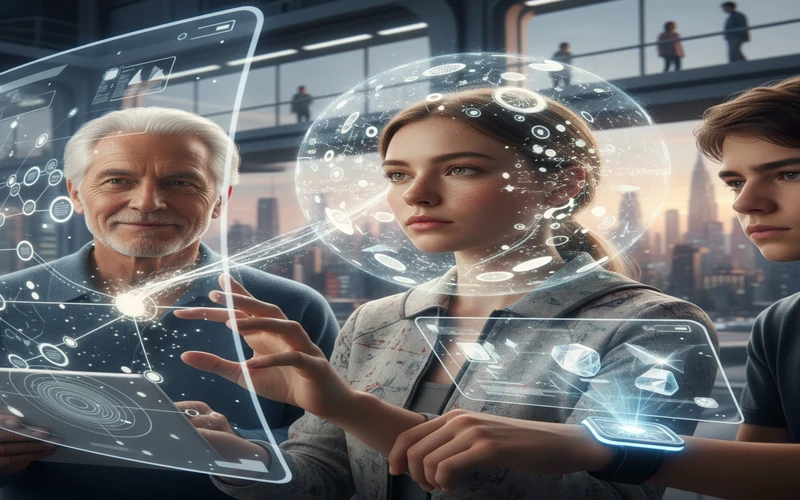
Digital Learning and Reusable Educational Resources
Digital learning has fundamentally transformed educational delivery by enabling access to high-quality instruction regardless of geographic or temporal constraints. Reusable educational resources form the backbone of effective digital learning ecosystems, providing standardized yet flexible content that adapts to diverse learner needs. Understanding how these resources function within broader digital learning frameworks helps educators and administrators make informed decisions about technology adoption and content strategy. The principles discussed here reflect current best practices in digital education.
Digital Learning Ecosystem Components
Effective digital learning environments integrate multiple interconnected components that work together to create comprehensive educational experiences. Reusable resources function as foundational building blocks within these larger systems.
- Learning management systems provide the technical infrastructure for content delivery and progress tracking
- Reusable content objects supply the core instructional materials addressing specific learning objectives
- Assessment tools measure learner progress and provide feedback on competency development
- Communication platforms enable interaction between learners and instructors in asynchronous environments

Traditional vs Digital Learning Comparison
Digital learning environments enabled by reusable resources offer distinct characteristics that differentiate them from conventional educational delivery methods.
| Dimension | Traditional Learning | Digital Learning |
|---|---|---|
| Access Flexibility | Fixed time and location | Anytime, anywhere availability |
| Content Updates | Slow textbook cycles | Real-time resource updates |
| Learning Pace | Group-synchronized progress | Individual pacing options |
| Resource Availability | Limited by physical copies | Unlimited simultaneous access |
"Digital learning powered by reusable resources democratizes education by removing barriers of time, location, and resource scarcity that have historically limited access to quality instruction."
Future Directions in Digital Education
The evolution of digital learning continues accelerating as emerging technologies create new possibilities for personalized instruction and adaptive content delivery. Artificial intelligence enables sophisticated customization of learning paths based on individual progress patterns, while improved analytics provide unprecedented insights into learning behaviors and outcomes. Educational institutions investing in robust reusable resource infrastructures position themselves to leverage these innovations effectively as they mature.